
Best Paddock Footing for Horses | Performance Footing
Rainy seasons and springtime can quickly create mud pits, harming the living environment for your horses. Know the Best Paddock Footing for Horses below!
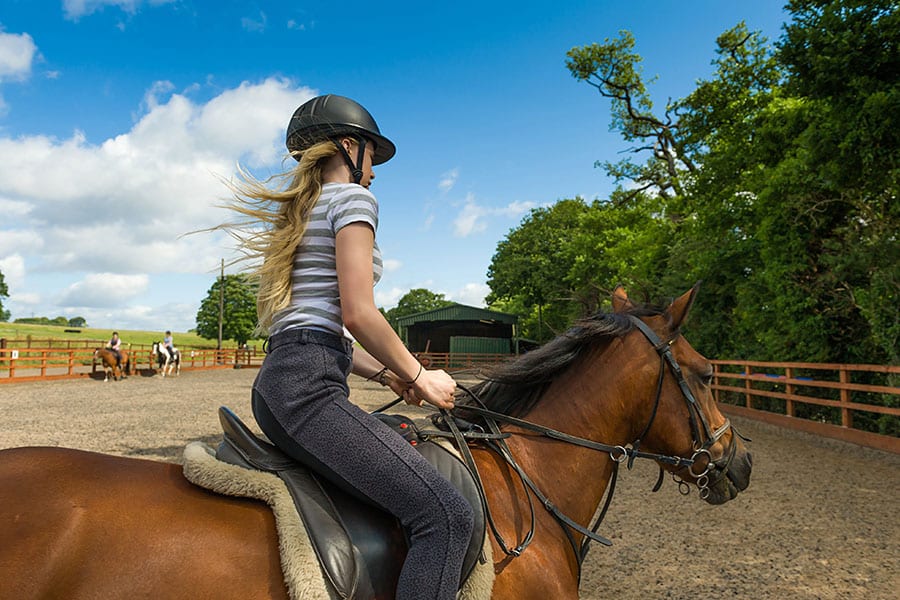
The worst part about pasture turnouts for horse owners is fighting the constant mud struggle. Rainy seasons and springtime can quickly create mud pits in high-traffic areas, harming the living environment for your horses.
For example, mud pits are ideal areas for bacteria and fungi to grow, which can lead to mud fever and thrush. Your horse can catch colic if you feed them in mud-ridden environments where they can ingest it.
We want to give you some new insights into the best footing material, whether this is your first paddock or you’ve been slugging them your entire equestrian career.
What are the Different Types of Paddock Horse Footings?
Our team has heard of many options you can try to reduce muddy paddocks. They range from recycled materials to natural materials and paddock products.
You should consider all the possibilities to create a safer environment for your horse’s health, both in paddocks areas and sacrifice areas.
| Paddock Footing | Description |
| Hogfuel | Cheap wood thrown down a hogger or wood processor. |
| Wood Chips | Leftover tree trimmer pieces that most use for landscaping purposes. |
| Bedding/Sawdust | Finely shaved wood for horse bedding, cleaning up stains, etc. |
| Coarse Rock | 1-2” diameter rocks that result from crushing large quarry rocks. |
| Angular Gravel | ¾” diameter rocks that result from crushing larger quarry rocks. You’ll see them in driveways and pathways. |
| Pea Gravel | Soft-texture gravel you can purchase from local retailers and landscape stores. |
| Angular Crushed Rock | As the largest aggregate, it ranges from half an inch to 20”. |
| Sand | Multi-purpose sand from your local retail stores |
| Geocell | HDPE panels that lock the ground and allow for free water drainage. |
| Arena Footing | Footing additives that most equestrians use for horse arenas. |
| Rubber Mats | Factory-designed stall mats that lay over the top of the paddock. |
| Carpet Remants & Conveyor Belting | Junkyard scraps of carpet strands and conveyor belting that act as rubber mats. |
Wood Paddock Footing Products
As the cheapest solution for muddy horse paddocks, we recommend wood products if you’re on a budget. They can alleviate some of the mess at the moment and keep your horse from getting sick.
We recommend switching to a more permanent solution in the future so the problem doesn’t resurface.
Hogfuel
Pros
- Cheap
- Absorbant
- Comfortable for horses
Cons
- Short-term mud solution
- Harbors bacteria
Wood Chips
Pros
- Cheap (often free)
Cons
- Occasional sharp branches
- Potent smell/oils
- Trees like oak and walnut are toxic to horses
Bedding/Sawdust
Pros
- Safe and made for horse use
- Aborsbant
- Get rid of smells
Cons
- Harbors bacteria
- Infeffective outdoors (absorbs outdoor moisture)
Rock Paddock Footing Products
Rock footing products are more durable and solid footing options than their wood counterparts, making for excellent mud management solutions. You’ll pay a higher price for sand and gravel aggregates, but they’ll reduce mud more efficiently in turn.
Reaching out to local aggregate companies, they can quote you the cheapest price for the paddocks and sacrifice lots.
Coarse Rock
Pros
- Durable
- Natural drainage
Cons
- Not comfortable for horses
- Difficult to remove
Angular Gravel
Pros
- Versatile
- Natural drainage
Cons
- Gravel particles lodge in hooves if barefoot
- Flaring, splitting, and abscess
Pea Gravel
Pros
- Gentle on bare horse hooves
- Natural drainage
Cons
- Unstable as footing (spreads out or falls downhill)
- Tendon stress when hooves sink into gravel
Angular Crushed Rock
Pros
- Durable
- Natural Drainage
Cons
Sand
Pros
- Comfortable for horses to lay on
- Easy to clean
Cons
- Colic if ingested with food
Man-made Paddock Footing Products
The final type of paddock footing you can purchase are products that equestrian companies sell. Our clients have found the greatest success with geocell and other options to stop mud in its tracks.
Despite the highest price out of wood and rock products, they don’t regret spending the extra cash.
Geocell
Pros
- Natural drainage
- Evenly distribute horse’s weight
- Cheap
Cons
- Requires angular crushed gravel or other aggregate
Pros
- Cushions hooves
Cons
- Expensive
- Could get into the manure pile, preventing decomposition
Rubber Mats
Pros
- Easy to clean
- Reusable
Cons
- Expensive
- Slippery when wet (potential for horse injury)
Carpet Remains and Conveyor Belting
Pros
- Cheap (often free)
- Eco-friendly
Cons
- Horses may have allergies to products
- Short-term solution
Try Geocell for Mud Management on Paddocks
Our footing specialists recommend giving geocell a chance if you’ve never purchased it to control paddock mud. While wood and various aggregates are cheaper solutions, they’re temporary attempts to reduce the problem at best.
We’ve helped discipline riders, arena builders, and other equestrians restore their paddocks with the best paddock footing on the market. If you’re interested in getting a quote or hearing more about geocell, our team would be glad to help.
Contact us today by calling (877)-835-0878 so we can show you a more efficient way to put a halt on mud.